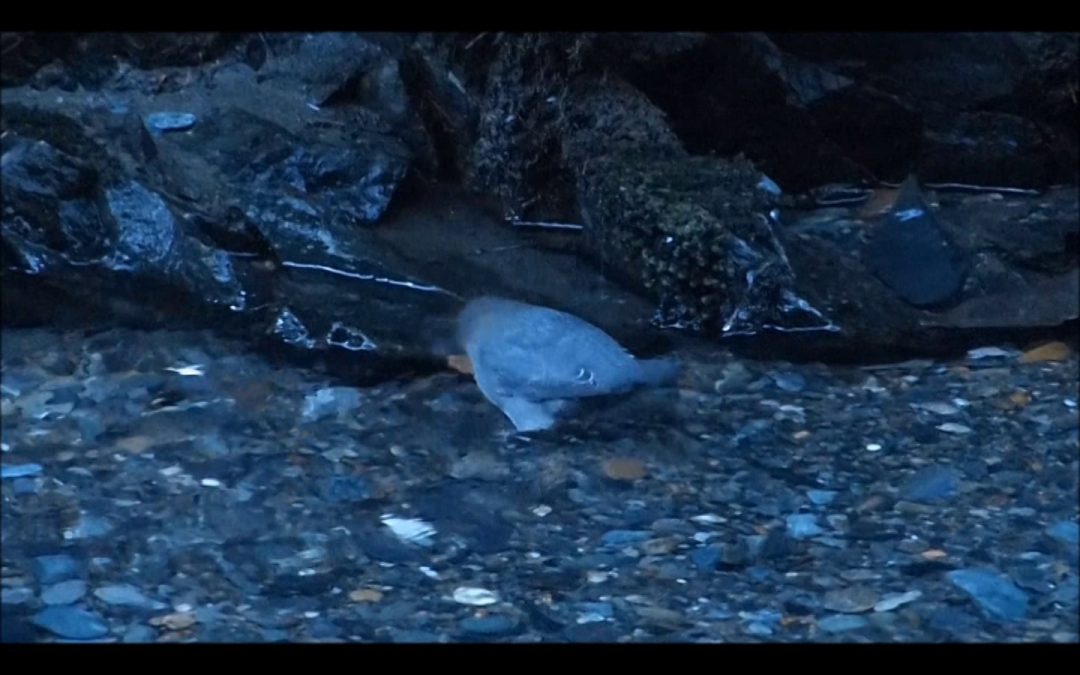
This video shows a couple of ways that American Dippers forage for aquatic insects in streams. Sometimes they will swim out over a pool and dive, using their wings, and grab caddisfly larvae at the bottom of the pool. Since most of these larvae have cases made out of...
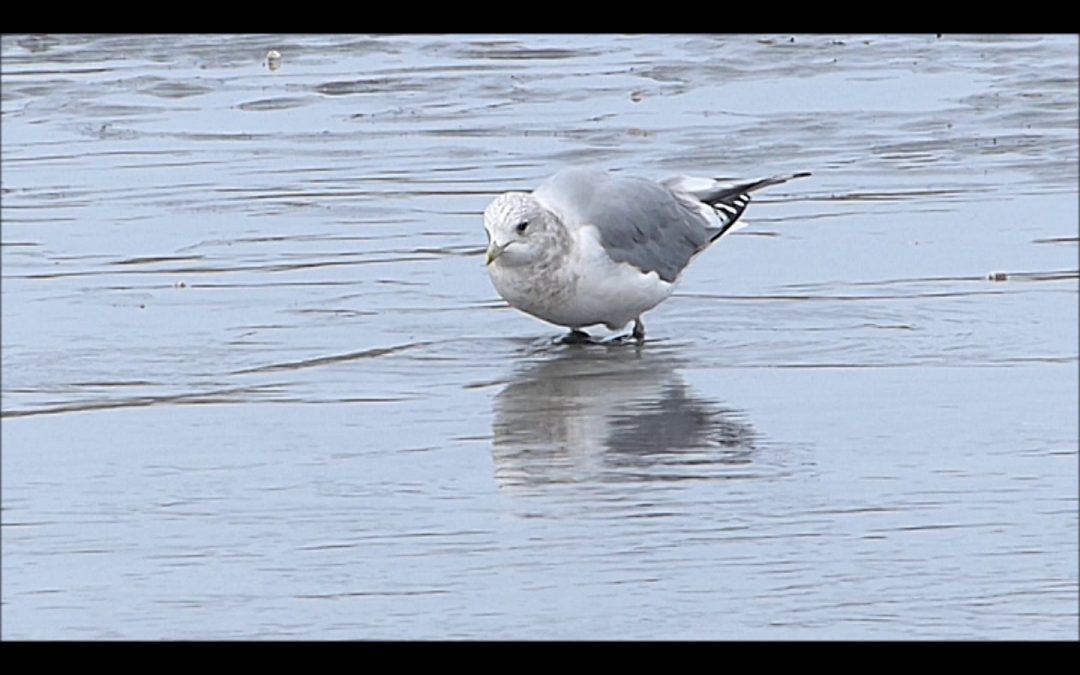
Some gulls, such as this Mew Gull, move their feet rapidly up and down. This creates an upwelling which helps bring food from the bottom to the surface where the bird can get it. This type of activity is very common in streams where salmon are spawning. By doing this...
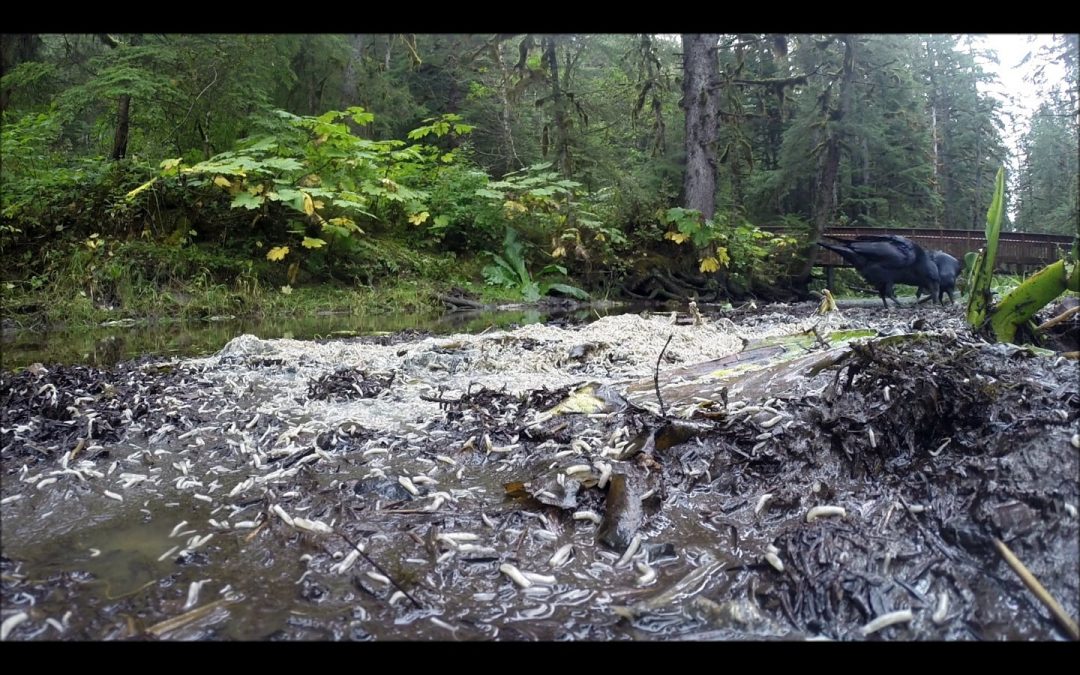
This video shows the numerous maggots (larvae) from Blow Flies crawling about and feeding on salmon remains. A couple of ravens are helping themselves to the nutritious maggots. To learn more about these maggots go to the video titled Salmon and Blow Flies in Alaska....
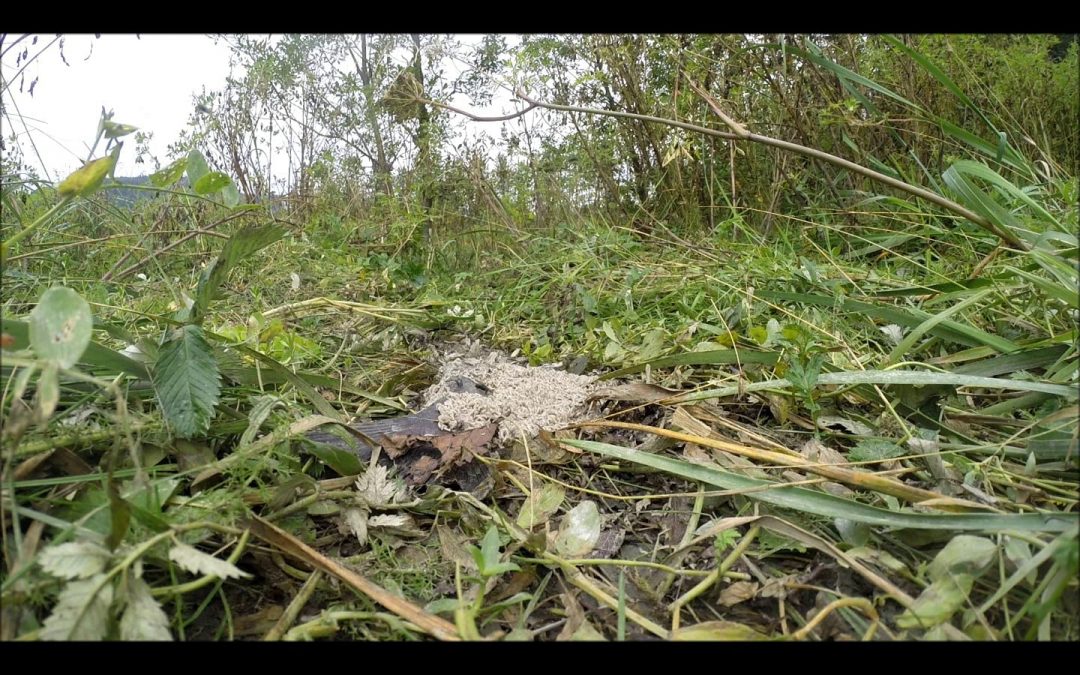
This video helps demonstrate the value of Blow Fly maggots for birds. Two of these crows are juveniles. So far I have documented 12 different species of birds feeding on these maggots. Of interest is that almost all of the birds have been recently fledged juveniles....
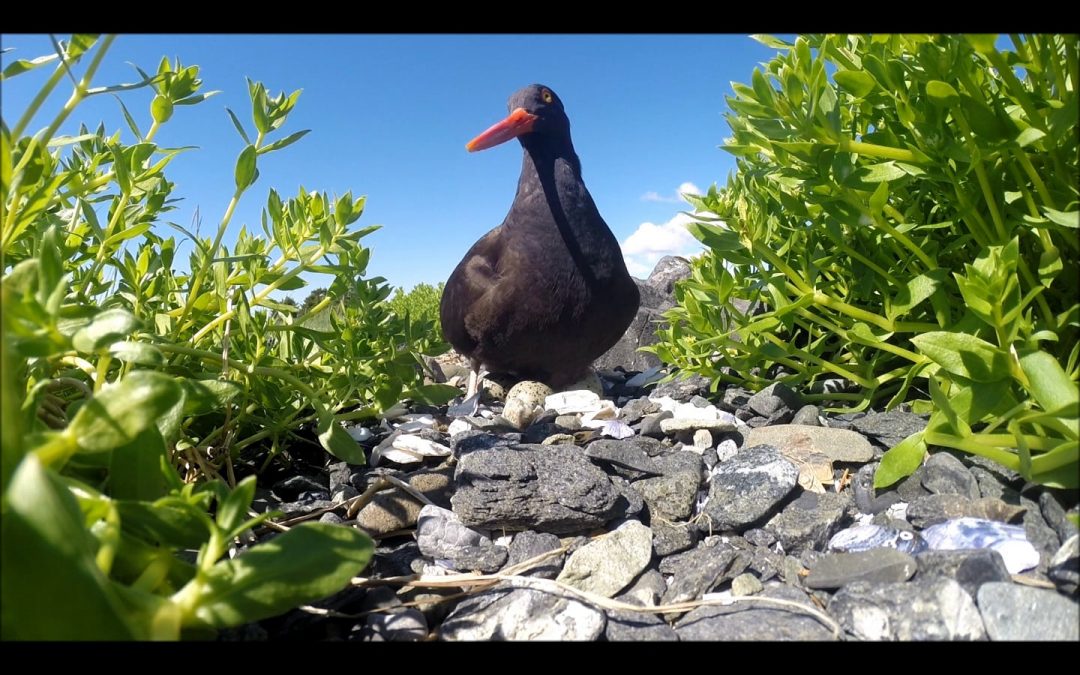
Black Oystercatchers are common nesting birds along most of the southern coastal areas of Alaska. They usually nest on small islands but in some areas, such as Glacier Bay, they may nest along the rocky mainland shores. The female typically lays one to three eggs....
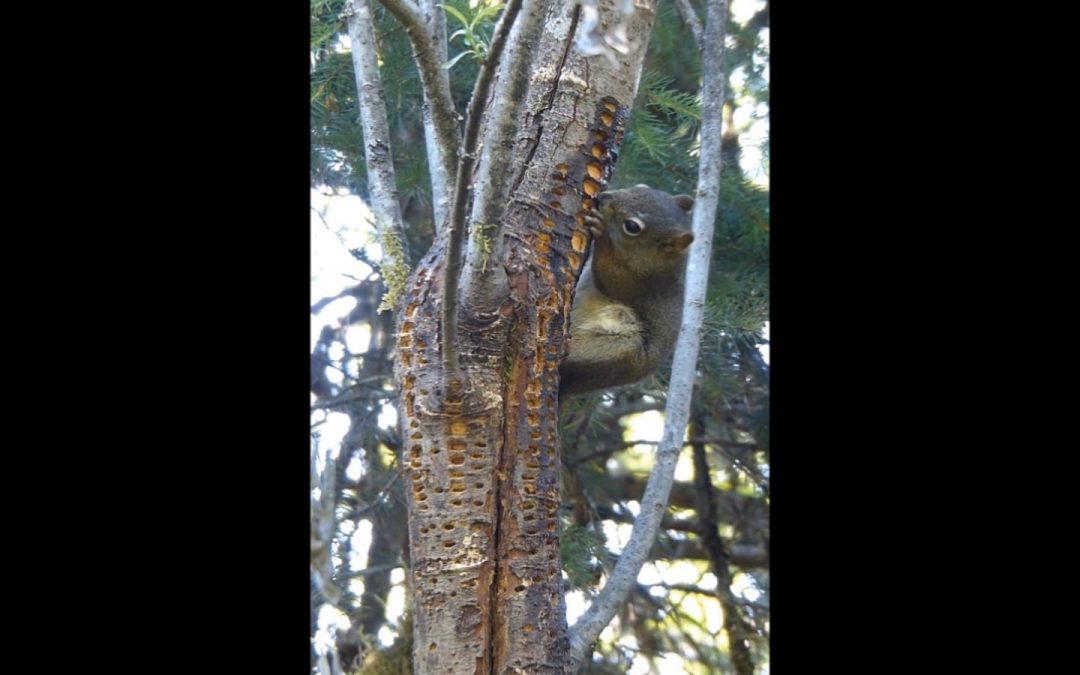
Connections with Red-breasted Sapsuckers 2 from Bob Armstrong on Vimeo. This video shows just a few of the many benefits that Red-breasted Sapsuckers have for other creatures in Alaska. Sapsuckers typically drill holes in the bark of trees. Sugary sap wells up in...