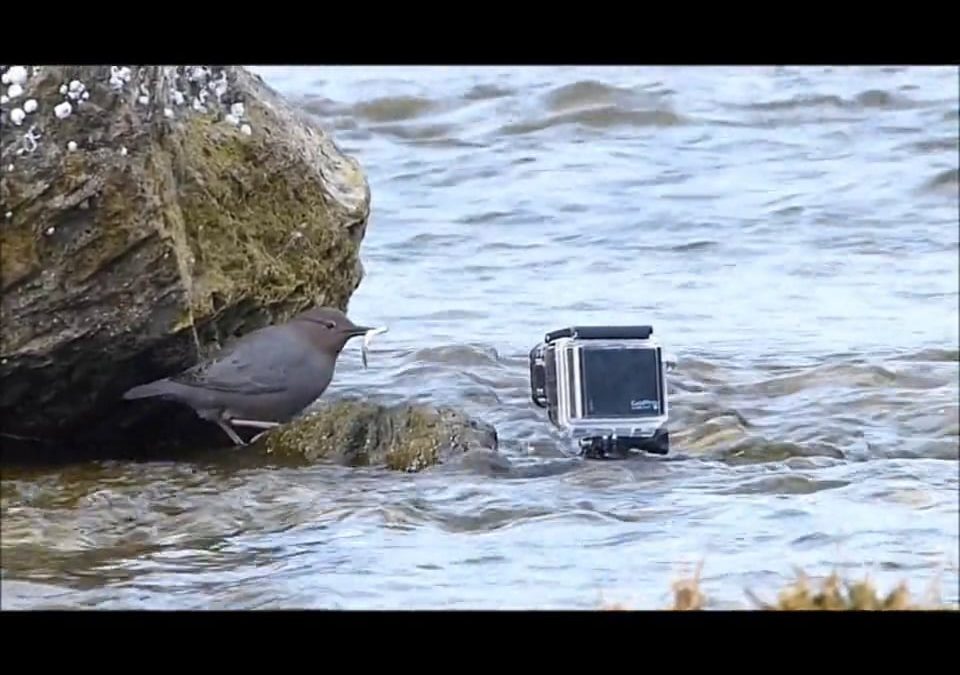
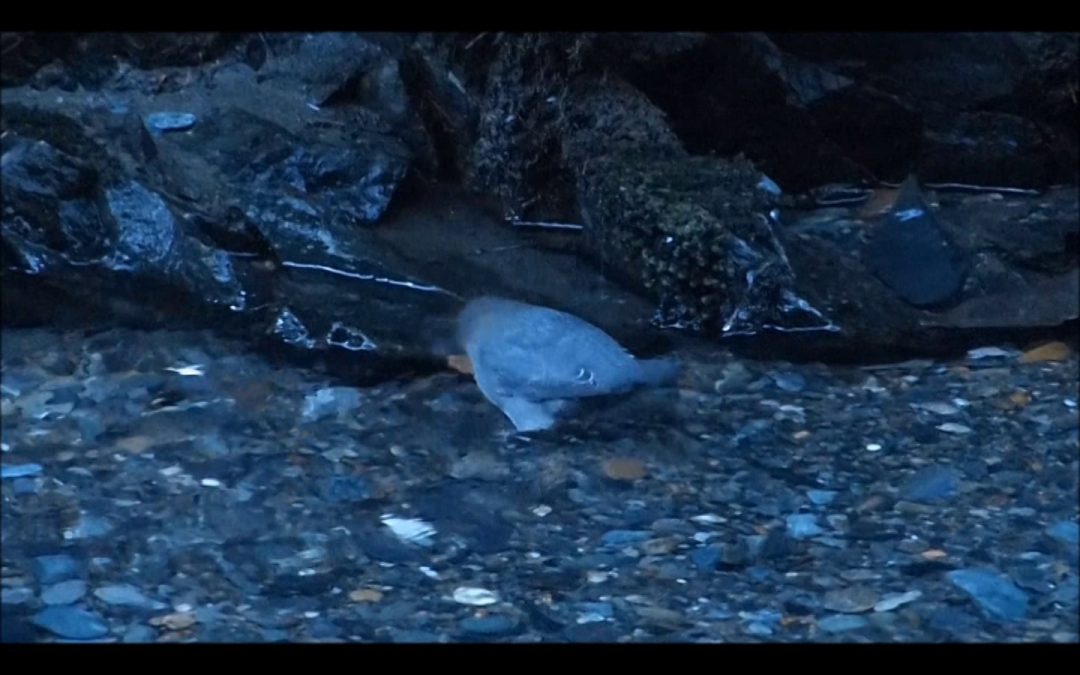
This shows some of the reactions of an American Dipper to a GoPro camera. One time it captured a salmon fry and brought it in front of the GoPro and ate it. Then it sang in front of the GoPro. They have a beautiful song and even sing year round so I was glad to have...
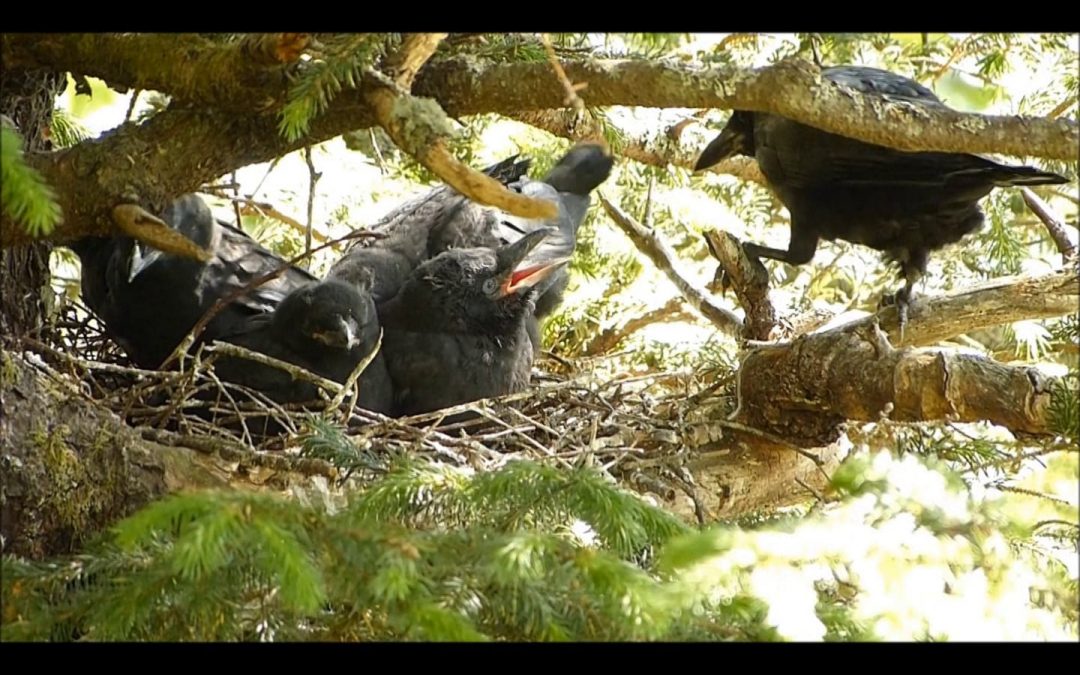
This video shows Northwestern Crows feeding their young at a nest in Juneau, Alaska. Of interest is after being fed one of the youngsters raises its rear end and the parent takes or eats its poop. What are some of the advantages of this type of behavior? The young...
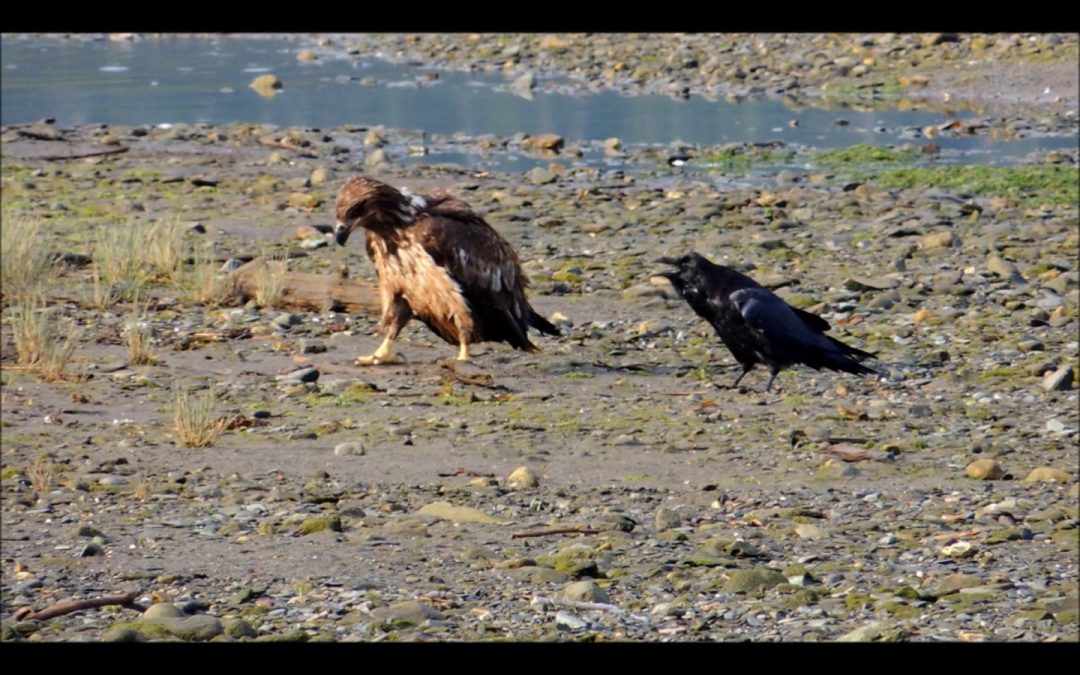
This video is an example of the probable play fullness of ravens. In this instance the eagle was chewing on a piece of wood. The raven harassed the eagle and eventually took it away from it. Then it continued to harass the eagle and even pulled its tail. To learn more...
This video shows an American Dipper searching for aquatic insects and fish underwater. Notice in the fairly shallow water how it uses both its legs and wings to propel itself. In the deeper water it uses its wings and basically “flies” underwater. In one...
This video shows a couple of ways that American Dippers forage for aquatic insects in streams. Sometimes they will swim out over a pool and dive, using their wings, and grab caddisfly larvae at the bottom of the pool. Since most of these larvae have cases made out of...
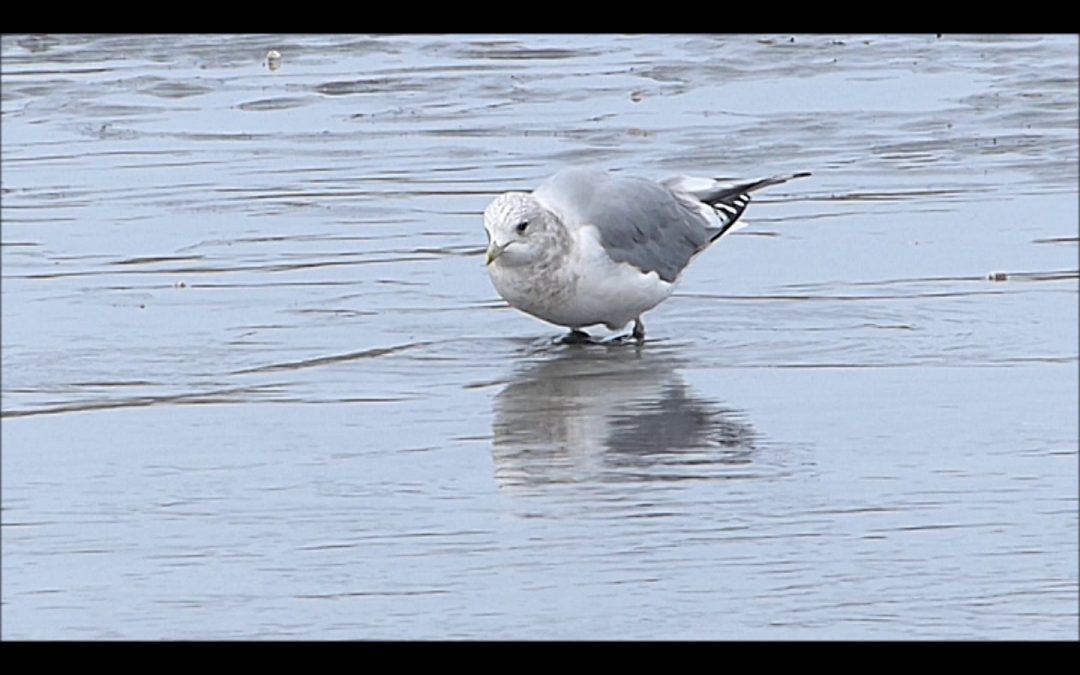
Some gulls, such as this Mew Gull, move their feet rapidly up and down. This creates an upwelling which helps bring food from the bottom to the surface where the bird can get it. This type of activity is very common in streams where salmon are spawning. By doing this...